

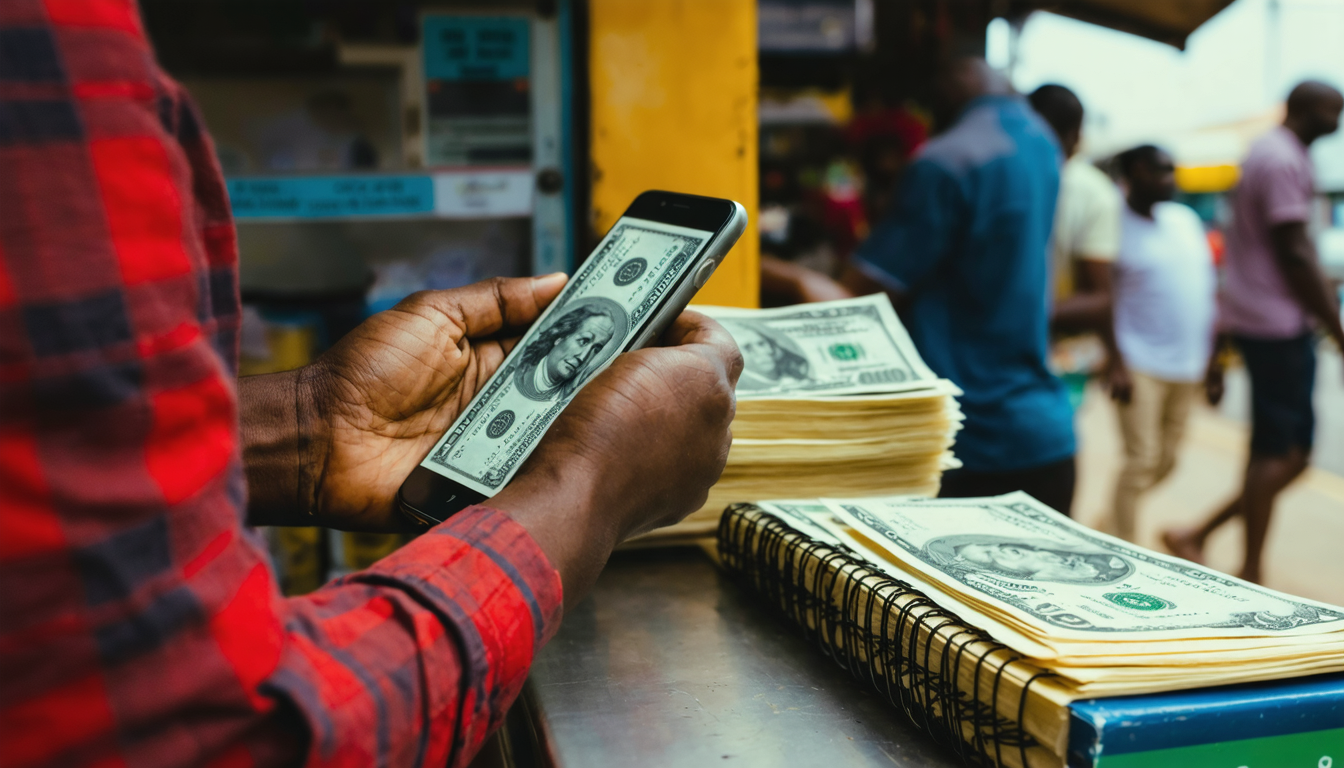
On 3 November, the CBN reported a startling figure: the volume of currency held outside the banking system has grown 104% over the past three years. This isn't just a statistic—it's a window into how Nigerians are managing dollars in an economy where formal channels feel expensive or unreliable. Understanding this shift matters if you're a freelancer, founder, or business owner moving money across borders.
Why Cash Is Leaving the Banks
When the CBN tightens dollar supply or banks impose withdrawal limits, people don't stop needing dollars—they find alternatives. Over the past three years, Nigeria has cycled through multiple FX regimes: the "official" rate, the "I&E" window, and periods of dollar scarcity at the formal counters. Each time, more Nigerians have turned to informal traders, black-market dealers, and peer-to-peer channels. The 104% surge reflects that migration. Informal traders don't have the overhead costs of banks; they don't require KYC forms or compliance checks for small transactions. For a freelancer who needs to convert $500 quickly without paperwork, the street rate often feels simpler—even if it's slightly wider.
What This Means for Formal Dollar Rates
When cash flows out of the banking system, it affects the official FX market in two ways. First, it reduces the pool of dollars available through formal channels, which can widen spreads and push rates higher—exactly what we saw in the recent FX turnover surge (43% growth in October). Second, it creates a two-tier market: the official rate and the shadow rate. Formal banks quote one rate; informal traders quote another. The gap between them—the "parallel premium"—has widened as informal volumes have grown. For you, this means that even if your bank offers a "competitive" rate, you're often paying more than the true market rate because the real price discovery is happening outside the formal system.
The Informal Dollar Economy Is Now Structural
This isn't a temporary blip. A 104% increase over three years signals that informal dollar trading has become embedded in how Nigeria's economy functions. Remittances, import payments, and freelancer earnings increasingly flow through informal networks—hawala-like channels, trusted traders, and WhatsApp groups. The CBN can't easily reverse this; it would require either a dramatic shift in formal FX availability or enforcement that would be politically costly. What this means is that the informal rate is now a leading indicator of true dollar demand and supply in Nigeria. When you see informal rates spike, formal rates usually follow within days.
How to Think About Your Dollar Strategy
If you're holding dollars or earning them abroad, the informal-to-formal split creates both risk and opportunity. Risk: formal bank rates are often lagging indicators; by the time your bank quotes you a rate, the real market has already moved. Opportunity: digital dollar wallets (like LCash) that settle against real-time market rates can help you avoid the lag. You're no longer forced to choose between the formal bank (slow, expensive, sometimes restrictive) and the informal trader (fast, cheaper, but less regulated). A regulated digital dollar wallet gives you speed and transparency without the counterparty risk of informal channels.
The Broader Signal
The CBN's 104% figure is also a signal that Nigerians don't fully trust formal dollar channels—whether because of past freezes, regulatory changes, or simply high costs. That loss of trust is real and won't reverse quickly. The policy implication is clear: the CBN needs to make formal channels so competitive and accessible that holding dollars outside banks becomes irrational. Until then, expect the informal economy to keep growing. For you, that means staying alert to the gap between official and informal rates; it's often your best real-time indicator of where the naira is actually headed.
The headline number—104% growth—is striking. But the real story is simpler: Nigerians are voting with their cash, and they're voting for speed, cost, and accessibility over formality. That's a structural shift, not a temporary one.