

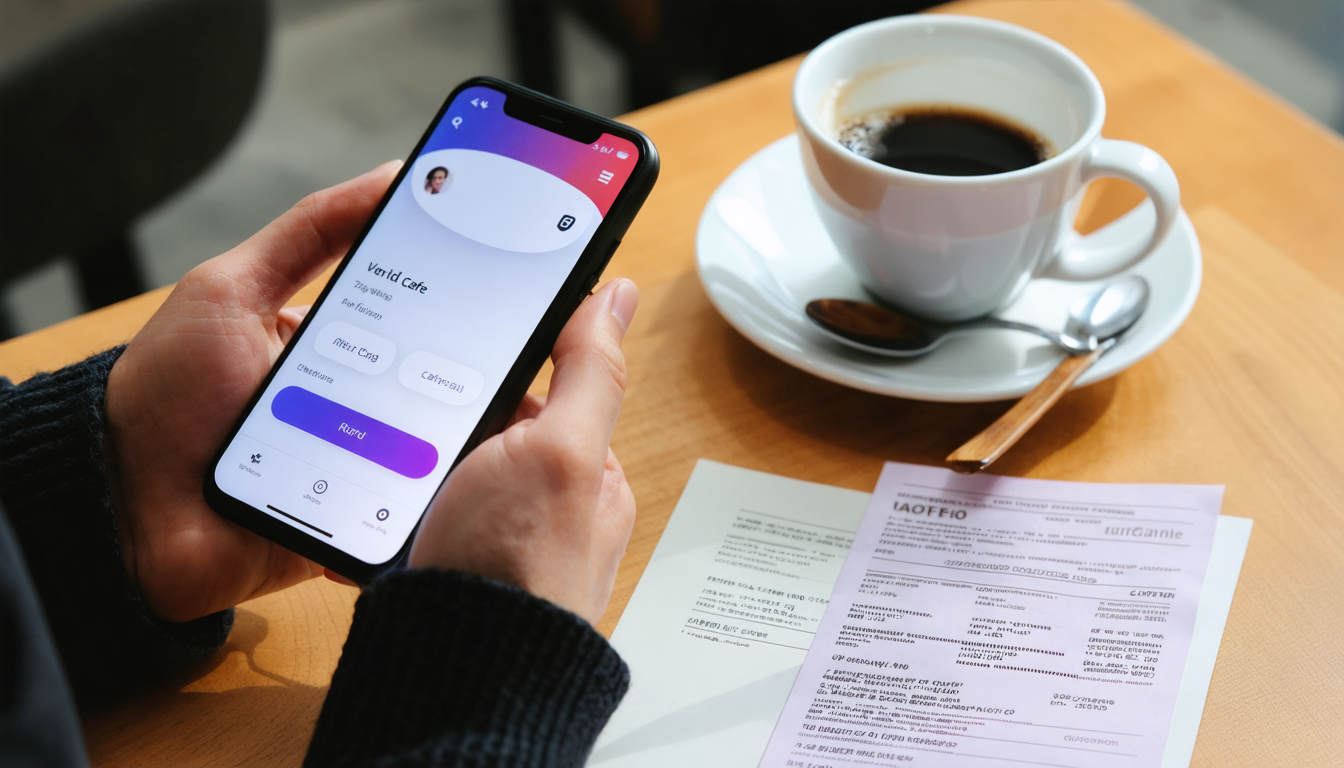
If you've used a virtual dollar card to pay for software, hosting, or freelance services abroad, you've probably wondered: what happens if something goes wrong? A charge appears that shouldn't be there. A service never delivers. A vendor disappears. On a physical card, you'd call your bank. On a virtual card, the process is less obvious—but it's still there.
Understanding chargebacks and refunds now will save you stress (and money) later.
How Virtual Card Refunds Work
When you request a refund on a virtual dollar card, the merchant typically processes it directly. The funds return to your card within 3–7 business days, depending on the payment network (Mastercard, Visa) and the merchant's processor.
This is straightforward when the merchant cooperates. You contact them, explain the issue, and they issue a credit. The refund lands back in your LCash wallet or linked account.
The catch: some merchants are slow, unresponsive, or deliberately uncooperative. That's when chargebacks come in.
What Is a Chargeback?
A chargeback is a formal dispute filed with the payment network (Mastercard or Visa) when a merchant won't refund you. You're essentially asking your card issuer to reverse the transaction on your behalf.
Chargebacks are powerful but slow. They can take 30–90 days to resolve, and they require documentation: screenshots of the transaction, proof of the service failure, email chains with the merchant, anything that shows you have a legitimate claim.
Not every dispute qualifies. The payment networks have strict categories: unauthorized transaction, duplicate charge, service not rendered, goods not received. Your claim has to fit one of these boxes clearly.
Common Chargeback Reasons for Remote Workers
Service not rendered is the most common claim for freelancers and remote workers. You paid for a tool, course, or service that never worked or was never delivered. You have screenshots, emails, or access logs proving this.
Duplicate charges happen too. A payment processes twice by accident. Your card was charged for a monthly subscription you cancelled. These are usually quick to resolve if you have proof of cancellation.
Unauthorized transaction is rare on virtual cards if you control the card details yourself, but it can happen if your card number is compromised or if someone uses your account without permission.
Fraud claims—like paying a vendor who turns out to be a scammer—are harder to win. The networks see this as a business dispute, not a clear-cut fraud. You may still file a chargeback, but success isn't guaranteed.
What to Do Before Filing a Chargeback
Always contact the merchant first. Give them a reasonable window to respond—typically 7–14 days. Document everything: your messages, their replies (or silence), proof of payment, and what you received (or didn't).
If the merchant ignores you or refuses to help, escalate within their system. Many have formal dispute or support processes. Only after you've exhausted these should you file a chargeback.
Why? Because chargebacks carry a cost. Card issuers typically charge a dispute fee (₦2,000–₦5,000 equivalent, or roughly $3–$8 USD, depending on your provider). Some issuers also flag repeat chargeback filers as higher-risk. Too many chargebacks can lead to account restrictions.
Virtual Cards and Chargeback Limits
Some virtual card providers—especially in fintech—have stricter chargeback policies than traditional banks. A few cap the number of disputes you can file per year. Others require that you file within a narrower window (e.g., 60 days instead of 180 days).
Always read your provider's terms. With LCash, you have access to the same chargeback protections as any Mastercard or Visa holder, but the timeline and process are clearly outlined in your agreement.
Preventing Problems in the First Place
The best refund is the one you never need. Use virtual cards for one-off purchases or new vendors you're unsure about—this isolates risk. For recurring subscriptions or trusted vendors, you might use a reloadable physical card or direct bank transfer if available.
Check reviews and payment terms before committing. Look for merchants with clear refund policies. If a vendor won't clearly state their refund window or process, that's a red flag.
For high-value purchases (over $500 USD), consider paying a deposit first or using an escrow service if available. For smaller amounts, the risk is usually worth the convenience.
The Bottom Line
Chargebacks and refunds on virtual dollar cards are real protections, but they're not instant or effortless. They work best when you've done your homework upfront: chosen reputable vendors, documented transactions, and given merchants a fair chance to resolve issues.
Most disputes resolve quietly because merchants cooperate. The rest take time and patience. Either way, you're protected—just not without some friction.
Stay organized. Keep records. And when in doubt, ask your card provider's support team before filing a dispute. They can often advise you on your odds and next steps.