Google Wallet launched in Nigeria this week, bringing tap-to-pay payments to millions of Android users. For dollar-wallet users, this is a moment worth understanding: the payments infrastructure is shifting, and your card experience will change with it.
What Google Wallet Actually Does
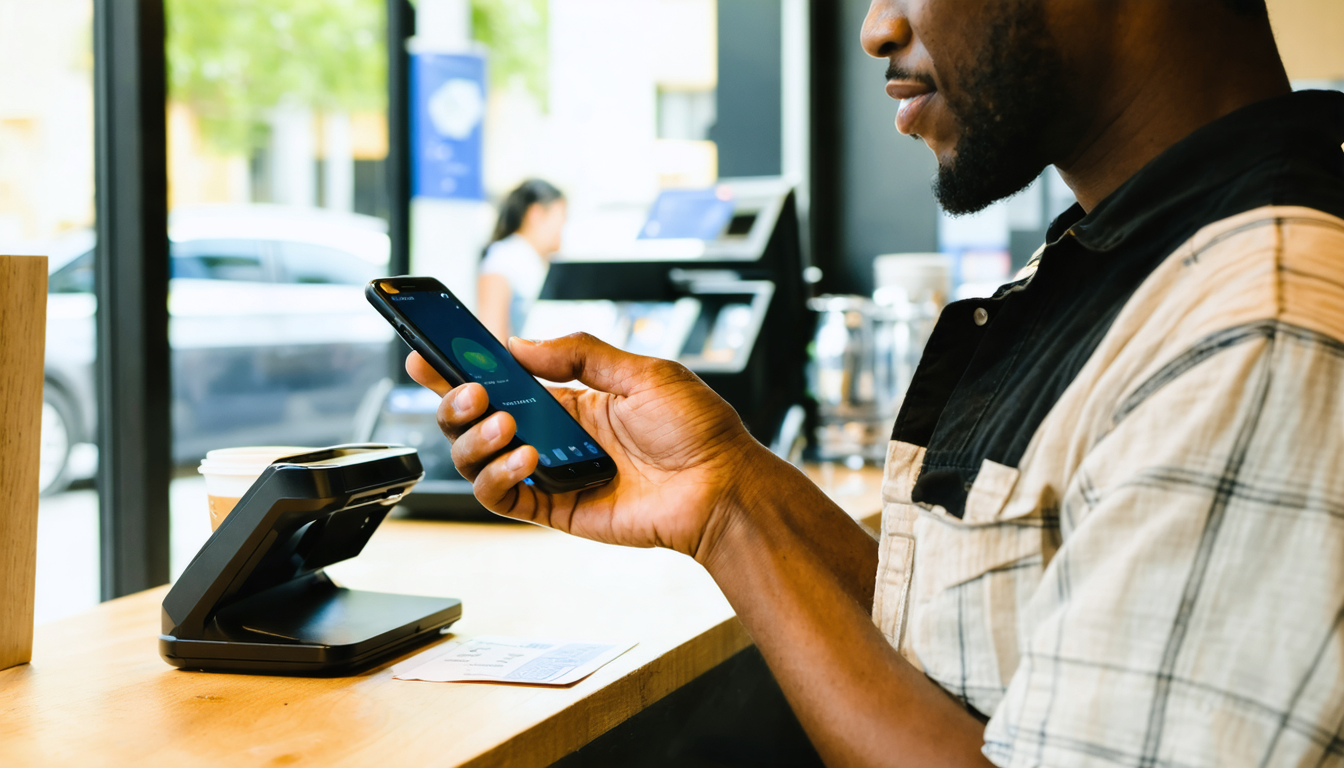
Google Wallet lets you add a debit or credit card to your Android phone, then tap at any NFC-enabled payment terminal to pay. It's not new globally—it's been standard in the US, UK, and parts of Asia for years. But for Nigeria, it's a significant infrastructure milestone. It means payment terminals across Lagos, Abuja, and other cities are now equipped to read contactless payments, not just chip or swipe.
For LCash users with a dollar card, this matters: you can now tap your phone instead of inserting the card. Faster checkout, no fumbling, less wear on your physical card.
The Broader Shift: Banks vs. Big Tech
Google Wallet's entry signals a deeper change. Until now, Nigerian payment terminals were built primarily for bank-issued cards and USSD transfers. Google and Apple (which is likely next) are pushing the market toward a phone-first model. Banks still issue the underlying card, but Big Tech controls the user experience.
This is good for users—more options, faster payments—but it also means the CBN and Nigerian banks will need to adapt their rules. Data localisation requirements (which LCash covered recently) become more complex when payments flow through US-based platforms. Expect regulatory clarification in the coming months.
What This Means for Dollar Card Users
Three practical shifts:
First, terminal coverage expands. Retailers upgrading to NFC terminals to support Google Wallet will also support your dollar card's tap feature. More shops, more petrol stations, more markets will accept contactless payment.
Second, speed and friction drop. Tapping is faster than inserting a card. For high-volume users—a Lagos freelancer paying for lunch, transport, or supplies multiple times a day—this saves time and reduces card damage from repeated insertion.
Third, your dollar card becomes part of a larger ecosystem. If you're using both Google Wallet and a physical LCash card, you're managing the same underlying dollar balance across two interfaces. That's convenient, but it also means you need to track balance and transactions across both.
The Data Localisation Wildcard
Here's a complication: Nigeria's data localisation push (CBN and NITDA are intensifying enforcement) requires payment data to be stored locally by 2027. Google Wallet processes payments through Google's global infrastructure. The CBN will likely require Google to route Nigerian transaction data through local servers or partner with a local processor. This could add latency or cost, which might be passed to users.
LCash, as a Nigerian fintech, already holds data locally. That's a structural advantage as regulation tightens—but it also means we need to integrate with Google Wallet's ecosystem in a compliant way.
What You Should Do Now
If you have an Android phone and a dollar card, try adding it to Google Wallet. Most payment terminals in major Nigerian cities now support NFC. Test it at a petrol station or supermarket to see if it works. You'll get faster, easier payments with the same underlying dollar balance.
But don't abandon your physical card yet. NFC coverage is still patchy outside Lagos and Abuja. Keep your card handy for chip readers and ATMs, which will remain standard for years.
Watch for CBN guidance on data localisation for digital wallets. If Google Wallet faces compliance friction, it might slow adoption or add fees. LCash is built for this regulatory environment from day one, which is why we exist.
The Takeaway
Google Wallet's Nigeria launch is not a threat to dollar cards—it's an upgrade to how you use them. Tap-to-pay is faster, more convenient, and already standard everywhere else in the world. The real question is how quickly Nigerian retailers adopt NFC terminals, and whether the CBN's data rules create friction. For now, it's a win: more options, faster checkouts, same dollars in your pocket.