

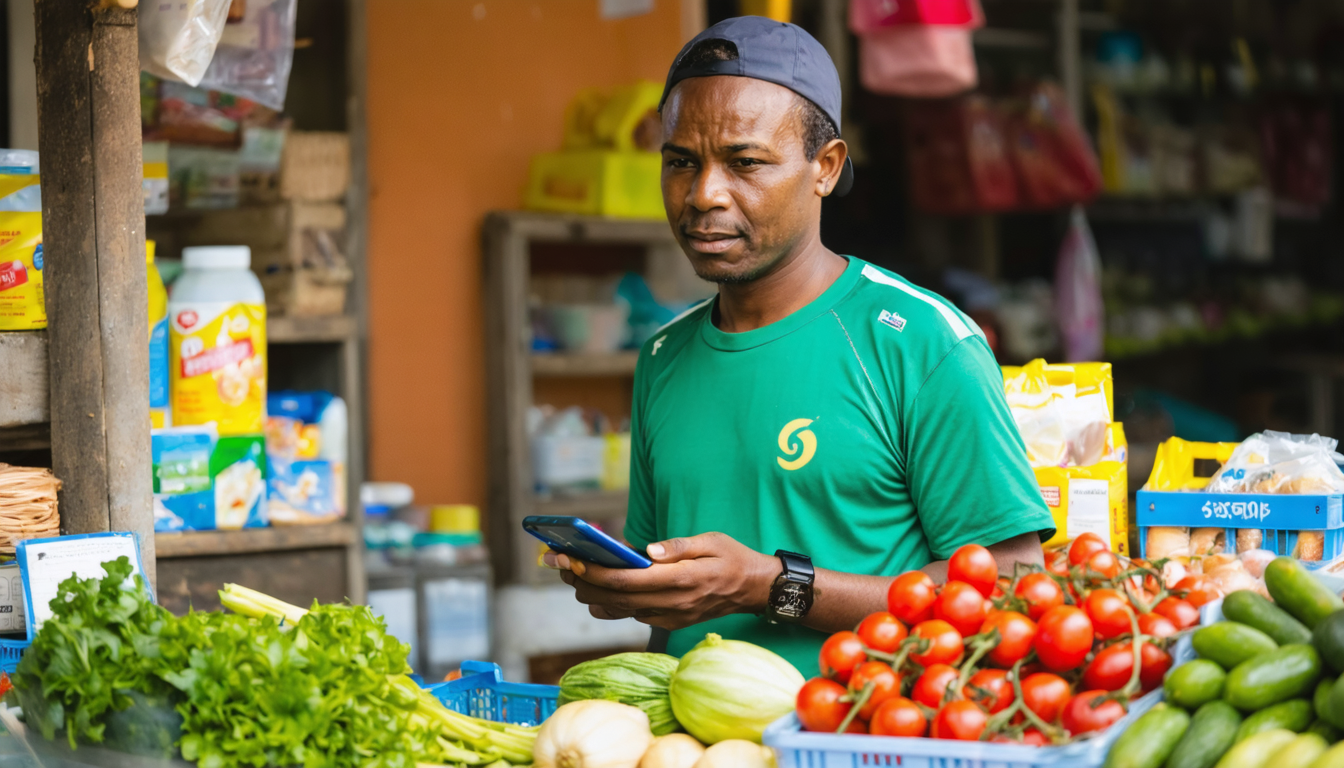
Kenya's inflation climbed to 6.6% in August—the highest in months—driven by rising food and fuel costs. For dollar earners and business owners in Kenya, this is a mixed signal: your foreign income buys more shillings, but your day-to-day costs are climbing fast. Understanding what's driving this matters, because it shapes how the CBK will move interest rates, how the shilling will behave, and how much your dollar really buys.
Why Food and Fuel Are Pushing Inflation Up
Inflation doesn't move in a vacuum. Kenya's August spike came from two stubborn sources: food prices (drought and seasonal supply tightness) and fuel costs (global oil moves, refinery capacity). These aren't one-off blips—they're structural pressures that tend to persist for months. When food and fuel rise, everything else follows: transport costs, restaurant prices, wholesale goods. A Nairobi shop owner paying more to stock shelves, a courier paying more per litre—these costs trickle into the economy.
The CBK has been watching this closely. In recent months, the central bank held interest rates steady, signalling confidence that inflation would moderate. But at 6.6%, the pressure is mounting. If food and fuel stay elevated into Q4, expect the CBK to signal rate hikes—which would push up borrowing costs for businesses and savers alike.
What This Means for Your Dollar Income
Here's the counterintuitive part: when inflation rises in Kenya, the shilling often weakens against the dollar (because investors worry about the currency's real purchasing power). A weaker shilling means your dollar income translates to more KES—which sounds good until you realise your costs are also rising in shillings.
Example: if you earned $1,000 last month and got 130,000 KES, but this month you get 132,000 KES from the same $1,000 (because the shilling slipped), you might feel richer. But if your rent, food, and internet costs rose 3–5% in the same period, that extra 2,000 shillings evaporates. You're running faster just to stay in place.
For freelancers and remote workers earning dollars, the real question is: are your dollar rates rising to match inflation? Most are not. If you're invoicing the same $500 per project as you were six months ago, inflation is silently cutting your real income.
The CBK's Next Move
Central banks hate runaway inflation. The CBK's mandate is price stability, and at 6.6%, officials are likely to start signalling tighter policy. This usually means:
- Rate hikes ahead: The CBK's next policy decision (typically monthly or quarterly) may include a rate increase. Higher rates make borrowing more expensive, which cools demand and inflation—but also makes savings and fixed-income instruments more attractive.
- Shilling support: A higher CBK rate can attract foreign investors seeking better returns, which props up the shilling. A stronger shilling is deflationary (imports become cheaper), which the CBK wants.
- Bank lending pressure: As rates rise, commercial banks' margins tighten, and they often pass costs to borrowers. Small-business loans, overdrafts, and credit lines will get more expensive.
If you're holding shillings in a savings account earning a fixed rate, watch your bank's announcements. As the CBK moves, banks typically adjust deposit rates upward—but often with a lag. Moving to a higher-yielding instrument (like a short-term Treasury bond or a competitive money-market fund) might make sense if you have cash sitting idle.
Protecting Your Dollar Purchasing Power
Inflation erodes the value of any currency, including the dollar. But there are practical steps:
- Invoice in dollars, not shillings: If you're a freelancer or service provider, pricing in USD locks in your real income against Kenyan inflation. You avoid the silent tax of rising costs.
- Keep your emergency fund in dollars: A dollar wallet (like LCash) lets you hold your buffer in USD, sidestepping shilling inflation risk. When you need shillings, you convert at that moment—no guessing about future rates.
- Don't chase shilling savings rates: Yes, Kenyan banks are offering higher deposit rates as the CBK tightens. But if inflation is 6.6% and your bank pays 5%, you're losing real purchasing power. Dollar-denominated savings at least remove currency risk.
- Watch your business costs: If you run a shop, cafe, or service business, lock in supplier contracts where you can. Food and fuel inflation will persist; securing stable prices now protects your margin.
The Wider Picture
Kenya's inflation is not out of control—6.6% is elevated but manageable. But it signals that the easy-money era is ending. The CBK will tighten, rates will rise, and the cost of doing business will climb. For dollar earners, this is actually a moment to lock in your income in foreign currency and let local inflation work in your favour. For shilling-based savers and borrowers, it's a reminder to move quickly: refinance debt now before rates jump, and shift idle cash into higher-yielding instruments.
The next few months will tell us whether inflation is transient or structural. Watch the CBK's next policy statement, and track food and fuel prices. Your dollar's real value—and your business's margins—depend on getting ahead of these moves.