

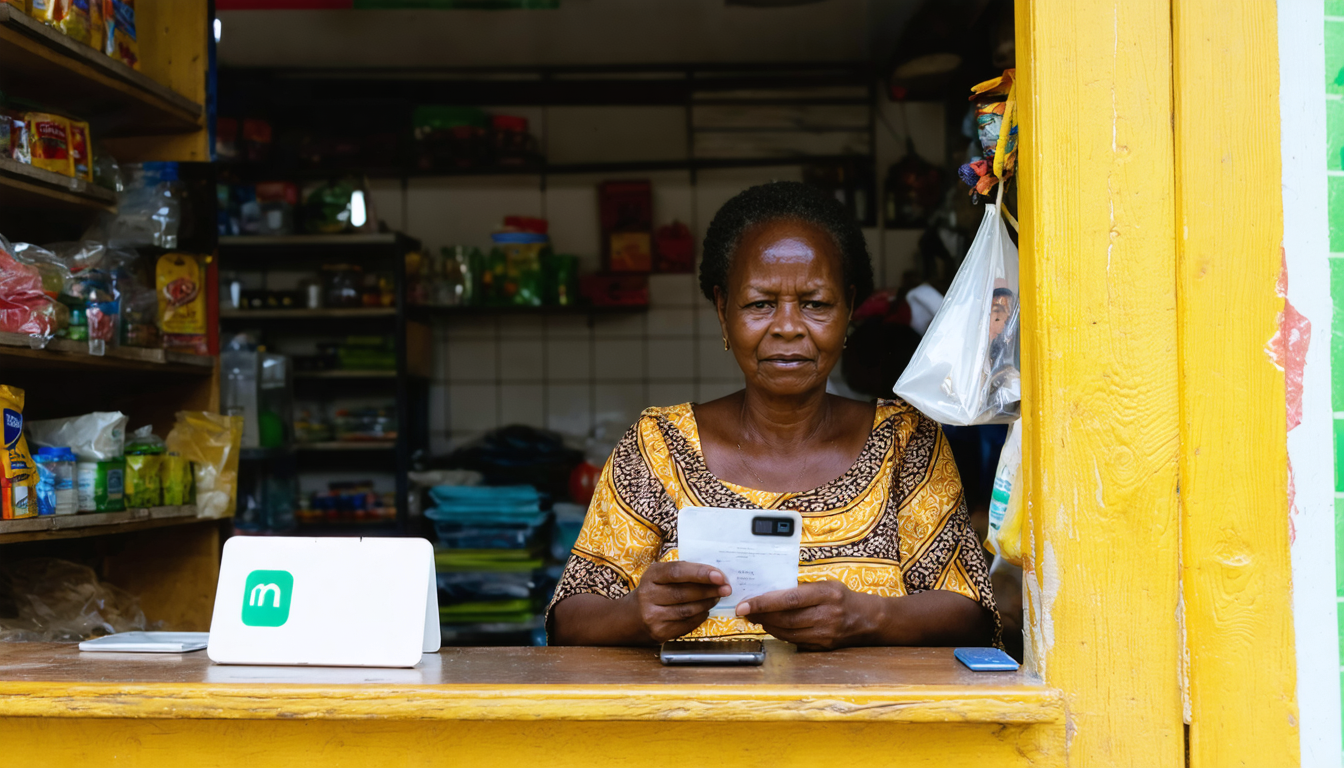
Kenya's Treasury is moving toward a mobile money tax—a plan that would add a levy on M-Pesa and other mobile money transactions. For Kenyans receiving money from abroad, this is more than a policy debate: it could mean real money out of your pocket, and it's worth understanding now.
Why Kenya wants to tax mobile money
Kenya's government is under pressure to widen its tax base and raise revenue. Mobile money—particularly M-Pesa, which handles the vast majority of Kenya's remittance and domestic payment traffic—is an obvious target. The logic is simple: if millions of shillings move through M-Pesa every day, taxing those flows could generate significant government income.
But the timing is sensitive. Kenya's shilling has been weakening (the Treasury warned in late May 2026 that it could slide to Ksh 180 per US dollar if current fuel import deals are scrapped), and remittances from diaspora Kenyans are a critical source of foreign exchange. Taxing the channel through which most remittances flow could have unintended consequences.
What the tax could look like
The exact structure hasn't been finalised, but proposals have circulated around a small percentage levy on mobile money transactions. Even a 1–2% tax sounds modest until you do the math: if you receive $500 in remittances monthly and convert it to shillings via M-Pesa, a 1–2% cut means you lose $5–$10 per transaction. Over a year, that's $60–$120.
For a Nairobi freelancer or a shop owner in Kisumu, that compounds. And if the tax applies to both inbound and outbound flows, users could be hit twice.
The banking sector is already pushing back
Kenya's banks and fintech firms have publicly resisted the proposal. The concern is twofold: first, that a tax on M-Pesa makes formal digital payments less attractive (pushing users back to cash); second, that it could redirect remittances to informal channels or unregulated services, which the government actually wants to avoid.
In May 2026, the banking sector warned that a mobile money VAT would undermine financial inclusion and slow the transition to digital payments—precisely what Kenya's Treasury wants to accelerate.
What you can do now
If you're receiving regular remittances to Kenya, consider diversifying your landing channels. A USD wallet (like LCash, which is launching in Kenya soon) can receive international transfers directly, letting you hold dollars and convert to shillings on your own schedule—bypassing the M-Pesa channel entirely if a tax is imposed. You can also ask remitters to use international transfer services that deposit directly to your bank account, which may have different tax treatment.
For now, stay informed: the tax is still in proposal stage, and the final design (if it passes) may exempt certain transaction types or have a grace period. Watch for official announcements from the National Treasury and CBK guidance.
The bigger picture
Kenya's remittance inflows are under pressure from multiple angles: Saudi Arabia has tightened permit rules, slowing remittances from Gulf workers; outdated licensing processes are slowing new remittance corridors; and now a potential tax is threatening the speed and cost of the M-Pesa channel itself. If you rely on remittances, this is a moment to think about your landing strategy—not out of panic, but out of prudence.