

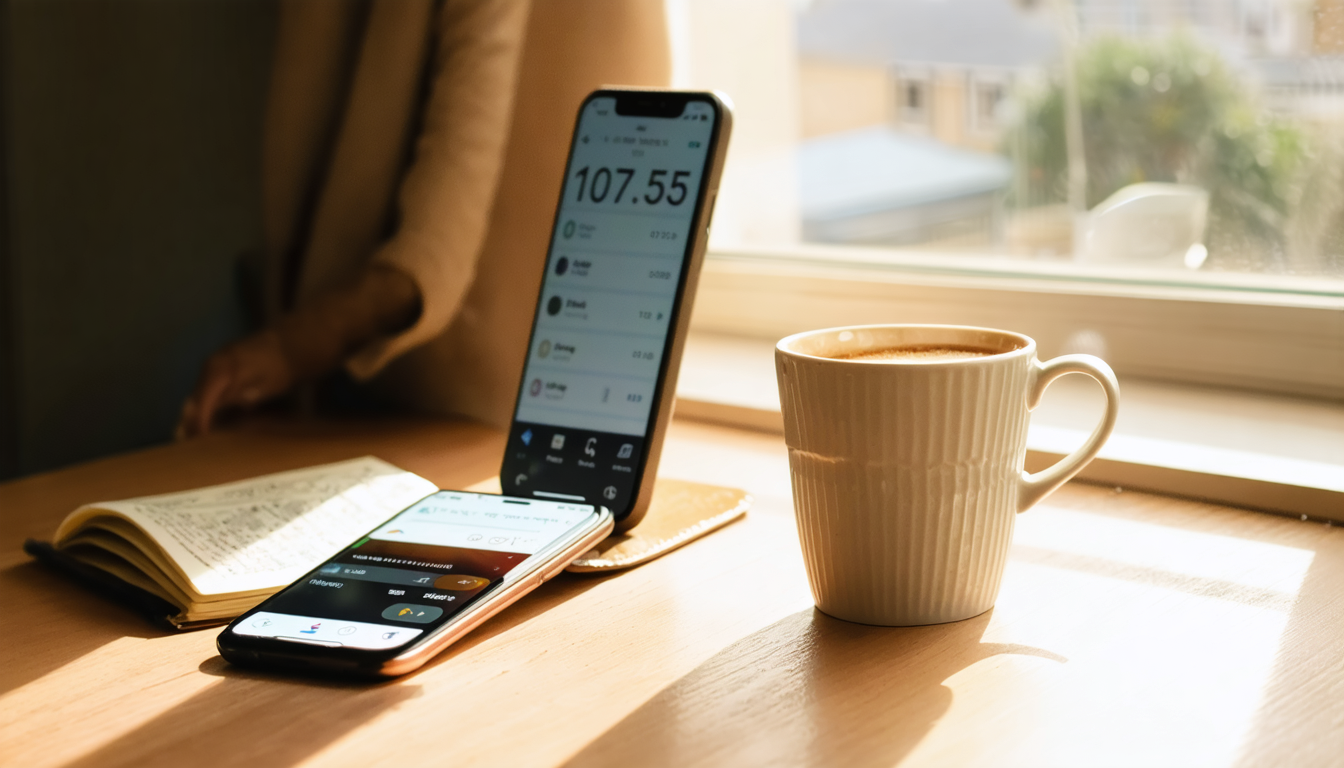
The Kenyan shilling has just touched 107.55 against the US dollar—its weakest point on record. For Kenyan freelancers, remote workers, and small-business owners who earn in dollars, this is a live moment: the currency is moving, and the math of your income is shifting in real time.
This isn't random. A weak shilling reflects deeper pressures—global inflation concerns flagged by the Central Bank of Kenya, the fallout from Middle East geopolitical tension limiting Kenya's fiscal options, and banks tightening capital requirements. Understanding what's driving the move helps you decide what to do about it.
Why the Shilling Is Weakening Now
A currency weakens when demand for it drops or when money flows out of the country. Right now, Kenya is facing headwinds: the CBK has warned that global inflation could threaten Kenya's economic gains, and the Middle East crisis is constraining the central bank's policy flexibility. At the same time, banks are being pushed to meet stricter core capital rules—with no grace period and no extensions—which can reduce the liquidity available for lending and absorb some dollar inflows that would normally support the shilling.
The CBK has released new forecasts for the shilling, but the reality is that when a currency hits an all-time low, it signals that the market is pricing in continued weakness. This often happens gradually, then suddenly.
What This Means for Your Dollar Income
If you earn $1,000 a month and convert it to shillings, you're now getting roughly 107,550 KSh instead of, say, 105,000 KSh six months ago. On paper, that looks good—your dollar is worth more in local currency.
But there's a catch. A weak shilling usually comes with higher inflation and rising prices for imports (fuel, food, electronics, services). Your shilling buys less than it did before. Plus, if you're paying for anything priced in dollars—cloud tools, software subscriptions, international shipping—those costs just went up in shilling terms.
For shop owners and small-business operators, a weak shilling makes imported stock more expensive, which either squeezes margins or forces you to raise prices and risk losing customers.
The Real Risk: Further Weakness
All-time lows are psychological markers, but they're also warning signs. If the CBK can't stabilize the shilling soon—either through interest rate moves, forex intervention, or a shift in global conditions—the currency could weaken further. The CBK's treasury bond sale offering returns of up to 13.92% for long-term investors is partly a bid to attract shilling demand, but it's also a signal that the central bank is concerned about capital flight.
For a freelancer, this means the exchange rate you lock in today might look generous in three months. Conversely, if you wait, you could lose ground.
What to Do: Three Practical Moves
One: Don't hold weak currency longer than you need to. If you earn in dollars, move them to a stable dollar wallet or account as soon as the payment arrives. The longer you wait to convert, the more you're betting on the shilling stabilizing—and right now, the trend is the opposite.
Two: Price your services in dollars, not shillings. If you're a freelancer, quote clients in USD. If you're a shop owner, consider holding a portion of your working capital in dollars to hedge against further shilling weakness. This protects your real income.
Three: Use a dollar card for international payments. If you're paying for software, tools, or imports, a USD-denominated card lets you lock in the dollar amount you're spending, rather than watching it balloon as the shilling weakens.
The Broader Picture
The CBK has said Kenya's banking sector remains stable and resilient, and that's true—the system isn't broken. But stability doesn't mean the shilling won't keep weakening. Currency moves are often a lagging indicator of economic stress, not a leading one. By the time everyone notices, the damage to purchasing power is already done.
For dollar earners, the all-time low is actually a gift: it's a moment when the math is visibly in your favour, and when you can make moves (holding dollars, locking in rates, pricing in USD) that protect you if weakness continues.
The shilling may stabilize tomorrow, or it may not. But waiting to see which way it goes is a bet you don't need to make. Lock in what you can today.