

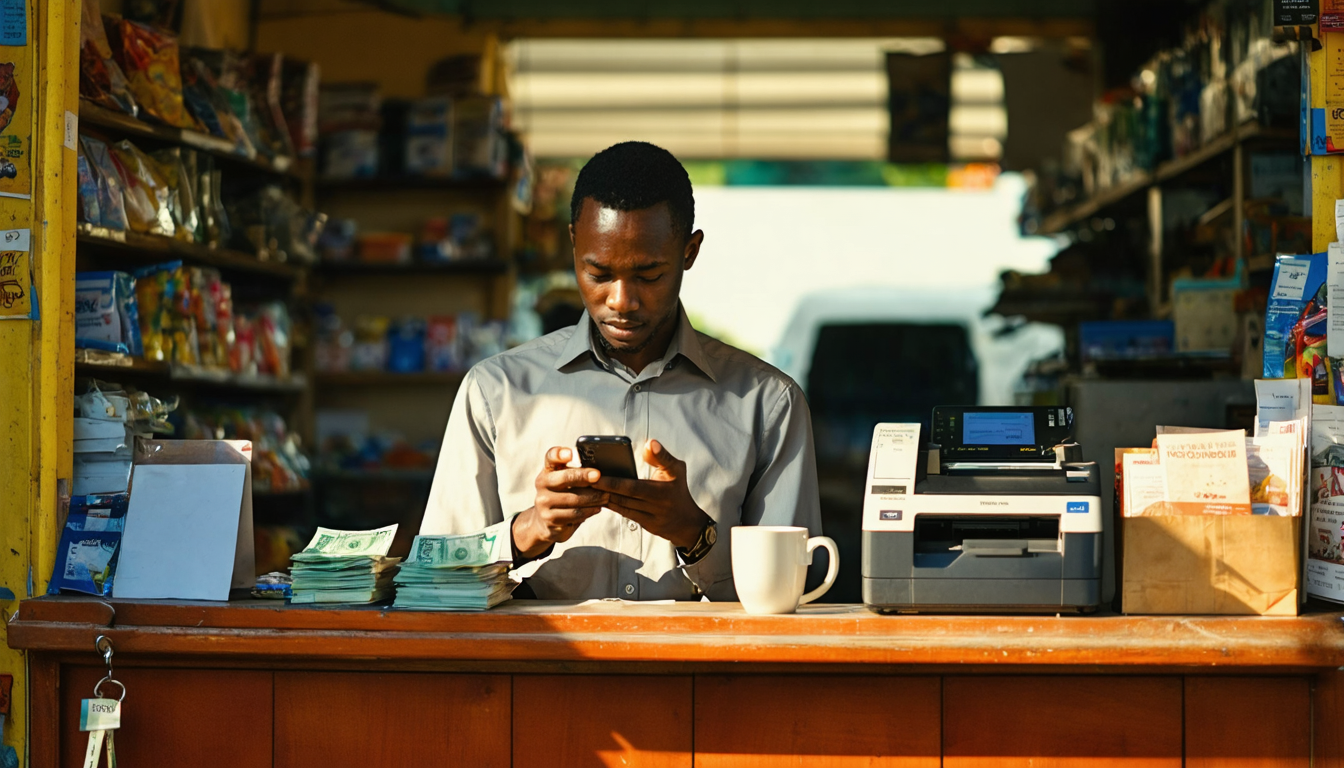
On 4 August 2026, Safaricom announced a cut to M-Pesa fees aimed at easing costs for Kenyan enterprises. It's the latest move in an intensifying payment wars across Kenya—and it signals a shift in how money moves in and out of the country. If you're a Nairobi freelancer, a Mombasa shop owner, or a founder managing cross-border payments, this matters more than it might seem at first.
The fee cuts are not just about domestic transfers. They sit inside a broader reshaping of Kenya's payments infrastructure—one that affects how dollars flow in, how local currency moves, and ultimately what you pay to convert and transfer money. Understanding the landscape helps you pick the right tool for your cash flow.
Why Safaricom Cut M-Pesa Fees Now
M-Pesa has dominated Kenyan mobile money for nearly two decades. But competition is real: digital lenders, fintech platforms, and new payment rails have been chipping away at its monopoly. By cutting fees, Safaricom is signalling that it wants to keep enterprise customers—especially small businesses and traders who move significant volumes. Lower fees also make M-Pesa more attractive for remittances and cross-border flows, where merchants and freelancers are increasingly sensitive to cost.
The CBK's focus on forex reserve stability and shilling strength (the shilling has gained 4% against the dollar in 2025 and forex reserves hit record highs in recent weeks) has created room for payment innovation. A stronger, more stable currency means more confidence in local payments infrastructure—and more room for competition on fees rather than just on survival.
What This Means for Enterprise and Freelancer Transfers
Lower M-Pesa fees directly reduce the cost of receiving money domestically. If you're a freelancer who gets paid in dollars but needs to convert and move shillings to pay suppliers or staff in Kenya, every basis point of fee savings compounds. For a shop owner managing daily cash flows through M-Pesa, lower fees mean more cash stays in your till.
But the real shift is competitive pressure. When Safaricom cuts, other players—bank-led payment systems, fintech platforms, and emerging rails—have incentive to match or undercut. This is good for you: you get more choice, and prices fall. The CBK's recent push for local-currency cross-border payments infrastructure (part of the wider African trend toward real payment infrastructure rather than stablecoin-only models) means these payment options are becoming more integrated with formal banking and forex channels.
The Dollar Transfer Angle
M-Pesa fee cuts don't directly affect dollar transfers—M-Pesa is a shilling rail. But they matter indirectly. Here's why: if you're receiving dollars from a client abroad, you typically convert to shillings and then move money domestically via M-Pesa, bank transfer, or another rail. Lower domestic fees mean lower total cost of cash conversion and movement. And competitive pressure on M-Pesa pushes other payment providers (including banks and fintechs) to improve their own pricing on dollar-to-shilling conversion and onramp.
More importantly, fee competition signals a maturing market. When payment infrastructure gets cheaper and more competitive, it attracts more formal businesses and reduces the appeal of informal channels (like parallel market dealers). That typically supports a more stable, predictable FX market—which benefits anyone holding or moving dollars.
The Broader Context: Kenya's Payment Infrastructure Shift
Kenya's payment ecosystem is fragmenting in a healthy way. You now have:
- M-Pesa and mobile money (now cheaper, more competitive)
- Bank-led instant payment systems (faster than traditional transfers)
- Fintech platforms (often offering better rates on forex and lower fees on cross-border)
- Emerging stablecoin and blockchain rails (used by some enterprises and traders, but still niche)
The CBK's recent work on shilling stability and forex reserves has created confidence in the formal system. That confidence is translating into investment in payment infrastructure—both by traditional banks and by fintechs. The result is more options, lower fees, and faster settlement.
What You Should Do
If you're in Kenya and moving money regularly, this is a good time to audit your payment costs. Compare:
- Your current M-Pesa fees (now lower, but check your tier)
- Bank transfer costs for the same flow
- Fintech onramps if you're receiving dollars and need to convert
Don't assume your old provider is still the cheapest. Competition is real, and fee structures are moving. For dollar inflows, the total cost now includes conversion spread + domestic transfer fee. Lower domestic fees mean the total burden is lighter—which gives you more room to negotiate or shop around on the conversion itself.
The broader lesson: Kenya's payment infrastructure is becoming more competitive and cheaper. That's good for your cash flow. But you have to actively compare options rather than defaulting to what you've always used.