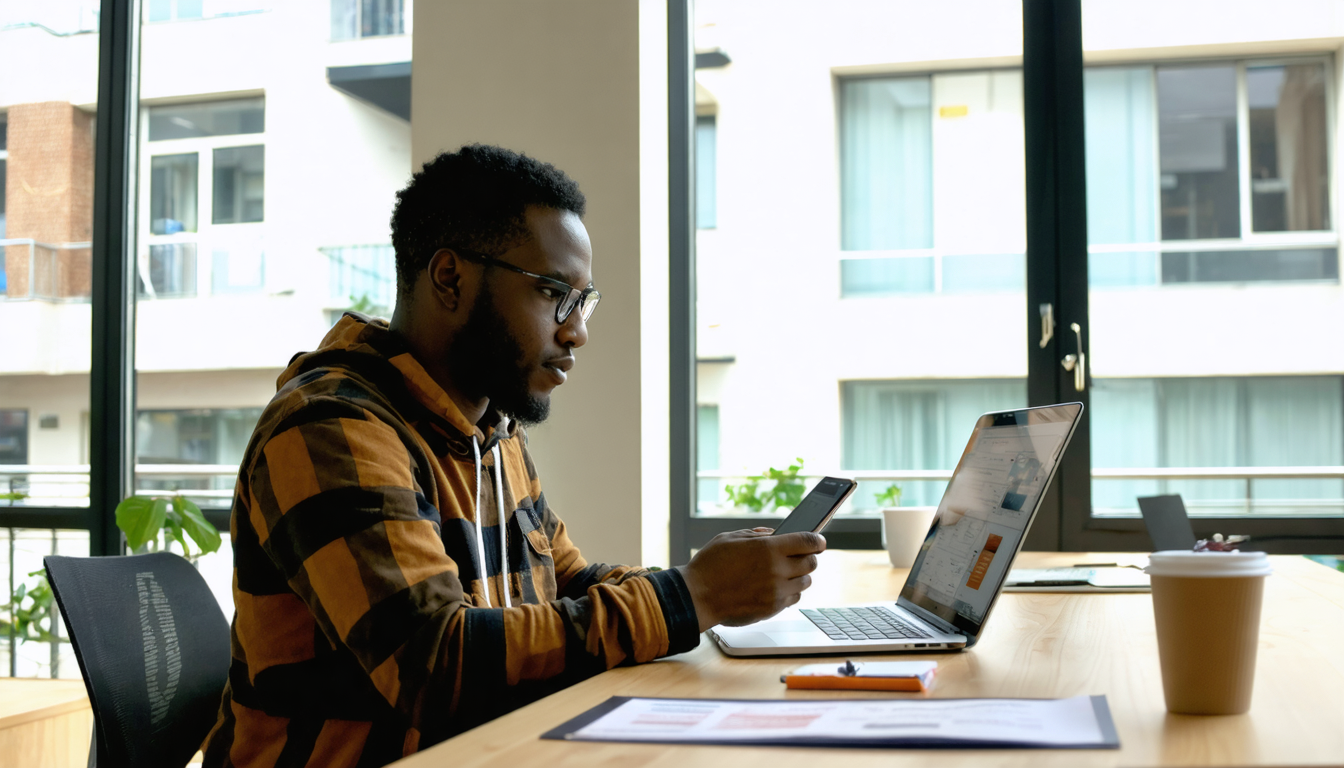
The Central Bank of Nigeria has intensified its focus on cybercrime prevention, tightening controls around cross-border payments and digital transactions. For freelancers and remote workers who rely on dollar inflows, this matters—new security requirements and verification steps are already rolling out, and understanding them now will save you delays and frustration later.
What the CBN Is Targeting
Nigeria's cybercrimes unit and financial regulators have been working to reduce fraud, money laundering, and unauthorized transfers. Recent moves include stricter Know-Your-Customer (KYC) checks on digital wallets, enhanced scrutiny of high-velocity transfers, and new requirements for fintech platforms handling cross-border payments. The CBN isn't trying to block legitimate dollar income—it's trying to make it harder for bad actors to move stolen funds or layer illicit money through the system.
The practical effect: if you're receiving international payments, expect more questions about the source of funds, the purpose of the transfer, and proof of the work or service you've provided.
How This Affects Your Dollar Inflows
If you're a freelancer or remote worker in Nigeria, your dollar transfers may now take slightly longer to clear. Banks and fintech platforms are running additional verification checks before releasing funds. A transfer that used to clear in 24 hours might now take 48–72 hours, especially if the amount is above certain thresholds or if the payment source is new.
You may also be asked to provide:
- A copy of your client contract or invoice
- Proof of the service rendered (screenshots, project links, portfolio links)
- Details about your client (company name, country, payment method)
This is standard practice globally, and it's not unique to Nigeria—but the CBN's recent push means Nigerian banks are enforcing it more consistently now.
Virtual Dollar Cards and Fintech Wallets
Fintech platforms like LCash that issue virtual dollar cards are subject to these same rules. When you set up an account or make large transfers, you'll be asked to verify your identity and the source of your funds. This is not new, but the CBN's cybercrime focus has made compliance checks more frequent and thorough.
The upside: platforms that invest in strong compliance (rather than trying to sidestep it) are becoming more trustworthy and less likely to face sudden restrictions or account freezes. If your fintech wallet uses robust KYC and anti-fraud tools, your account is actually safer.
What You Should Do Now
Keep your documentation organized. If you're a freelancer or remote worker, maintain:
- Copies of contracts or agreements with clients
- Invoices and receipts for work completed
- Screenshots of project deliverables or milestones
- A record of which clients paid you and when
When setting up a dollar wallet or receiving your first transfer, be honest and thorough in your application. Don't hide sources of income or invent fake documentation—the CBN's systems are getting better at spotting inconsistencies, and fraud attempts can lead to account closure or legal trouble.
If a transfer is delayed, don't panic. Contact your bank or fintech provider and ask what additional information they need. In most cases, a quick email with your invoice or contract will clear the hold.
The Bigger Picture
Cybercrime prevention is a global priority, and Nigeria's move puts it in line with international standards. Yes, it adds a small friction cost to legitimate transfers, but it also makes the financial system more stable and less attractive to criminals. For serious freelancers and remote workers—people with real clients and real contracts—these checks are a minor inconvenience, not a barrier.
The key is to operate transparently. Document your work, use platforms with strong compliance, and don't try to disguise the source or purpose of your dollar income. When you do, the CBN's crackdown works in your favour: it means fewer scams, fewer account freezes for innocent people, and a more trustworthy ecosystem for moving money across borders.