

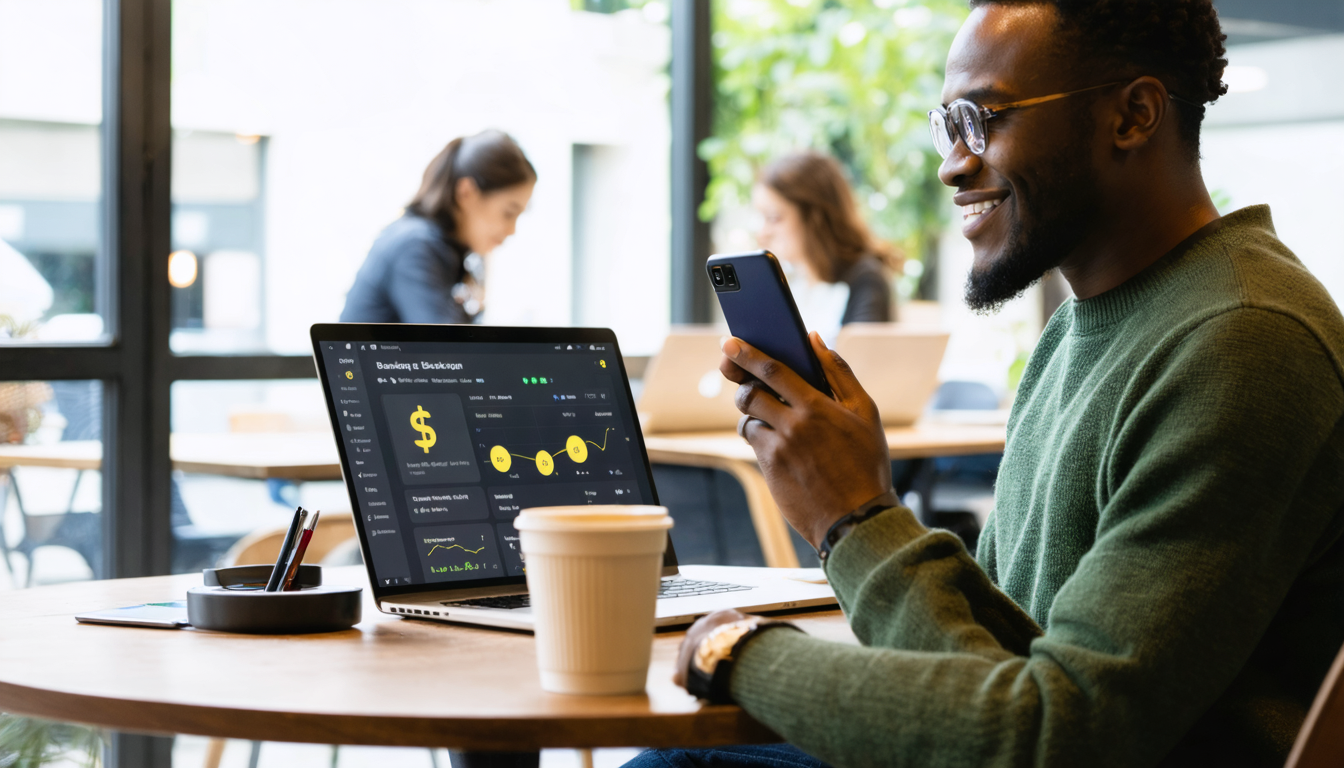
In the last three years, Nigerian banks have closed 476 branches and cash centres across the country. The CBN confirmed the figures this week, and the trend reflects a seismic shift in how banking works in Nigeria—one that directly affects how and where you access your dollars.
This isn't a sign of banking collapse. It's a deliberate pivot. Banks are moving away from expensive physical infrastructure and toward digital channels. For you—a freelancer, remote worker, or small-business owner—this shift creates both opportunity and friction. Understanding it now will save you headaches later.
The Why: Digital First, Physical Second
Nigerian banks have spent the last decade investing heavily in mobile apps, USSD codes, and agent networks. A physical branch is expensive: rent, staff, security, cash management. Digital channels cost less to run and reach more people. As more customers shift to apps and mobile money, the economics of maintaining thousands of branches no longer make sense.
The CBN has actively encouraged this transition through regulations that reward digital innovation and push banks toward financial inclusion via tech rather than bricks and mortar. Fewer branches also mean banks can concentrate resources on cybersecurity and compliance—areas the CBN has been tightening since 2024.
What This Means for Dollar Access
If you've been walking into a branch to exchange naira for dollars or to get a dollar card, that option is shrinking. But your alternatives are actually expanding—if you know where to look.
Most tier-one banks (GTBank, Access, First Bank, UBA, Zenith) are funneling dollar services through their apps and digital channels. You can now buy dollars, hold them, and spend them via virtual or physical cards without ever visiting a branch. Fintech players like LCash, OPay, and others have filled some of the gap, offering dollar wallets and cards that work entirely on your phone.
The catch: you need a smartphone and internet. If you're in Lagos or Nairobi, this is trivial. If you're in a secondary city or rural area, branch closures could mean a longer journey to access cash or do complex transactions.
The Agent Network Is Your Safety Net
Banks aren't abandoning the unbanked. They're replacing branches with agent networks—small shops, petrol stations, and mobile money outlets that handle basic transactions on behalf of the bank. These agents can help you deposit naira, withdraw cash, and in some cases, access dollar services.
The agent model is cheaper for banks and more convenient for customers who don't live near a branch. But it also means less direct oversight: you're trusting a third party to handle your money. Always verify that an agent is officially registered with the bank before handing over cash.
How to Adapt Your Dollar Strategy Now
First, migrate your banking to your phone if you haven't already. Download your bank's app, set up biometric login, and get comfortable buying and holding dollars digitally. This is faster and more secure than visiting a branch.
Second, diversify your dollar access. Don't rely on a single bank or a single method. Have a dollar wallet (like LCash), a virtual card with your primary bank, and knowledge of your nearest agent network. If one channel goes down, you have others.
Third, ask your bank directly where you can access dollar services in your area. Many banks have published lists of agent locations and digital channels. A five-minute call or app chat can save you a wasted trip.
Finally, if you're a small-business owner who handles cash regularly, explore whether your bank offers a merchant terminal or agent account. You might be able to offer dollar services to your customers while earning a small commission—turning the branch closure into an opportunity.
The Bigger Picture
Branch closures aren't unique to Nigeria. Banks worldwide are consolidating physical footprints as digital adoption accelerates. The difference in Africa is speed: the shift is happening faster here because mobile money and fintech have leapfrogged traditional banking infrastructure.
For dollar earners, this is actually positive. It means your bank is investing in the digital tools you already use. It means fintech companies have more room to innovate. And it means your dollar is increasingly accessible via the device in your pocket.
The era of queuing at a bank for a dollar transaction is ending. The era of instant, borderless dollar access is here. The 476 closed branches are just the physical proof.