

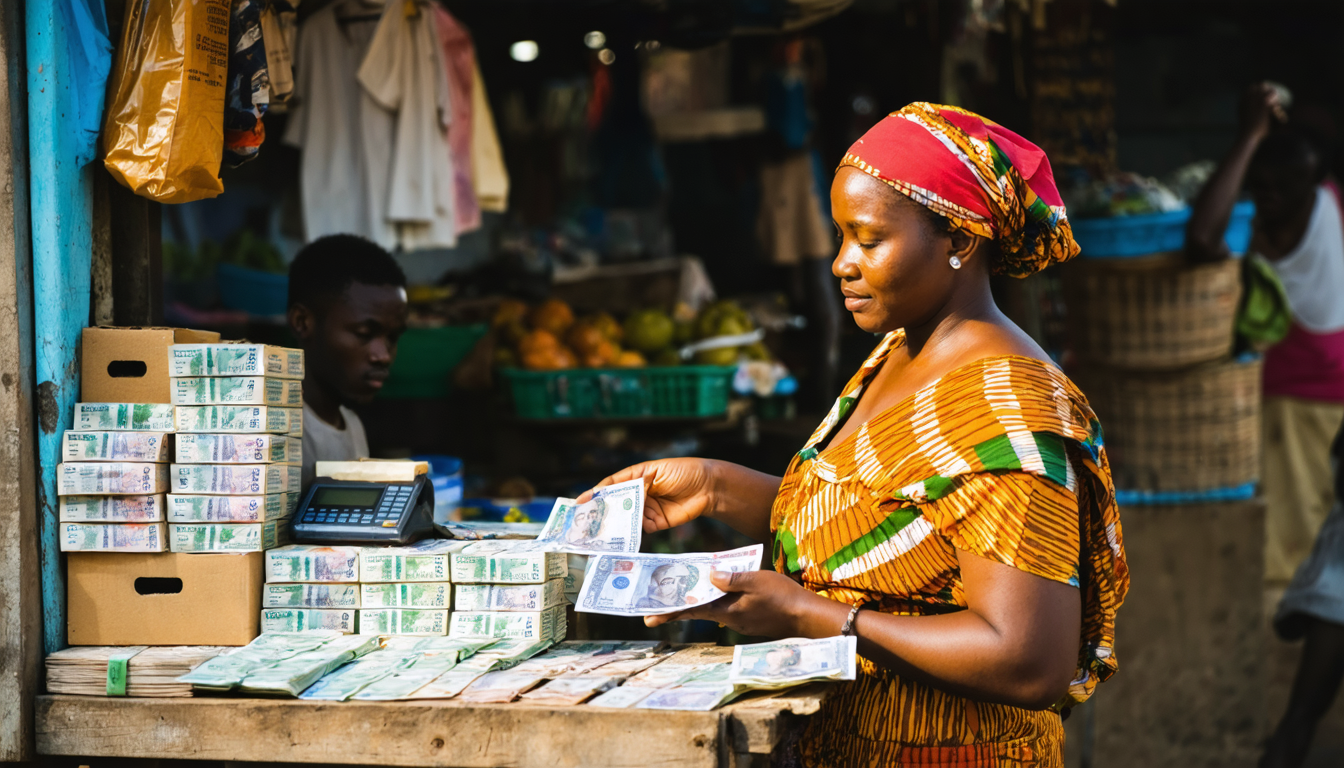
On 8 July 2026, the Central Bank of Nigeria issued yet another warning: merchants and businesses rejecting the ₦100 note face sanctions. It's not the first time the CBN has had to say this. The ₦100 note remains legal tender, but across Lagos, Abuja, and beyond, many traders simply won't take it. Some say it's too small. Others claim it's hard to move. The reality is messier—and it tells us something important about how cash still works in Nigeria, even as fintechs grow.
Why ₦100 Notes Are Being Rejected
The ₦100 note has become a ghost currency. In a market where a bottle of water costs ₦200 and a transport fare is ₦500, a ₦100 note feels like pocket lint. Traders reject it not out of malice but out of friction: they don't want to hold inventory of notes they can't easily spend or deposit. Some banks have also tightened their own acceptance policies, creating a feedback loop where cash handlers become reluctant to take notes they worry will be refused by the next person.
Inflation has hollowed out the ₦100 note's utility. Ten years ago, it was useful. Today, it's a rounding error. The CBN knows this. But admitting it would mean withdrawing the note—a step that requires political will and public communication the bank has not yet shown.
What the CBN Can Actually Do
The CBN's warning carries legal weight. Section 21 of the Central Bank of Nigeria Act empowers the bank to enforce legal tender status. In theory, merchants who refuse legal tender can face fines or prosecution. In practice, enforcement is nearly impossible. The CBN cannot station an officer in every market, every shop, every transport terminal. The bank relies on reports and complaints, and most traders who reject ₦100 notes do so quietly, without fanfare.
What the CBN can do is pressure commercial banks to accept and circulate the notes aggressively. If Zenith, GTBank, and Access actively pushed ₦100 notes back into circulation, the rejection problem would ease. But banks have their own incentives: they don't want to hold dead inventory either.
The Deeper Problem: When Cash Becomes Useless
The ₦100 note rejection is a symptom of deeper currency stress. When inflation erodes a denomination's purchasing power faster than people can spend it, that note stops functioning as money. It becomes a symbol of the currency's weakness, not its strength. The CBN can warn all it wants, but warnings don't change the maths.
This is why many Nigerians—especially remote workers, freelancers, and business owners—have quietly moved away from naira cash altogether. They hold dollars. They use mobile money. They use fintech wallets. The ₦100 note rejection shows that even ordinary traders are making the same calculation: hold something that holds value.
What This Means for Your Business
If you run a shop or a small business in Nigeria, you're already managing this. You probably accept ₦100 notes reluctantly, or not at all. You're not breaking the law by being picky—you're being rational. But it does mean you need a plan for cash you can't easily move: either deposit it quickly, exchange it for larger denominations, or keep a smaller cash float.
For remote workers and freelancers earning dollars, this reinforces what you already know: keep your earnings in dollars or a dollar wallet, not naira cash. The ₦100 note rejection is just the most visible sign of a currency under stress. LCash lets you hold and spend dollars directly, sidestepping the friction of cash conversion altogether.
The Real Question: Is the ₦100 Note Dead?
Not officially. The CBN will keep insisting it's legal tender. But currencies don't die by decree—they die when people stop using them. The ₦100 note is dying slowly, in markets and shops across Nigeria, one transaction at a time. The CBN's warnings are a last stand for a denomination that has already lost the battle for relevance.
The question isn't whether merchants will accept ₦100 notes. The question is whether the CBN will eventually admit what traders already know: the note has become too small to be useful, and holding onto it is just creating friction in an economy that is already struggling.